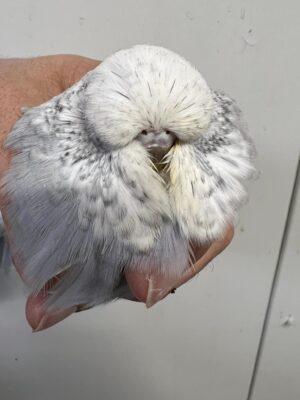

Canker (Trichomoniasis) in Budgerigars
Canker, also known as Trichomoniasis, is a common and potentially serious disease affecting budgerigars and other aviary birds. It is caused by the protozoan parasite Trichomonas gallinae, which primarily infects the lining of the crop and upper digestive tract. In severe cases, the infection may extend to the oesophagus and even the liver.
Early recognition and prompt veterinary treatment are critical, particularly in young birds.
What Causes Canker?
Canker is caused by the microscopic protozoa Trichomonas gallinae. The organism lives in the lining of the crop, where it damages tissue and can create ulcerating sores. As the infection progresses, it can interfere with swallowing, digestion and overall health.
In advanced or untreated cases, the infection may spread beyond the crop and cause systemic illness.
What Species Are Affected?
While budgerigars are commonly affected, the disease is also seen in Pigeons, Cockatiels and Canaries. Because the organism spreads easily through feeding behaviour and shared water sources, mixed aviaries require careful hygiene management.
How Is Canker Transmitted?
Birds acquire the infection by ingesting the protozoa. This most commonly occurs through:
- Parent birds feeding their young
- Courtship feeding between adult birds
- Contaminated food and water containers
- Contact with vomit or saliva from an infected bird
Young birds are particularly vulnerable. Overcrowding, poor hygiene, stress, concurrent illness and poor nutrition significantly increase the risk of an outbreak.
Symptoms in Budgerigars
Canker can present in a range of ways. The most common signs include:
- Vomiting or regurgitation
- Matted feathers around the beak or on top of the head
- Difficulty swallowing
- Poor appetite
- Weight loss
- Lethargy
- Diarrhoea
- Crop abnormalities
- Respiratory distress in severe cases
Because several other avian diseases can cause similar symptoms, veterinary diagnosis is essential. In advanced cases, particularly in young birds, the disease may be fatal.
Diagnosis
Diagnosis can sometimes be challenging based on symptoms alone. An experienced avian veterinarian will:
- Perform a thorough physical examination
- Insert a narrow tube into the crop
- Collect a sample of crop fluid
- Examine it immediately under a microscope for the presence of Trichomonas organisms
Prompt microscopic examination is important, as the protozoa do not survive long outside the body.
Unfortunately, in some cases, the disease may only be confirmed during necropsy if a bird dies unexpectedly.
Treatment
Once diagnosed, your veterinarian will prescribe a specific treatment course. Options may include:
- Medicated drinking water
- Direct oral medication
In many aviary situations, all birds should be treated, even if they are not showing symptoms, to prevent reinfection.
It is essential to:
- Follow dosage instructions precisely
- Complete the full course of treatment
- Return for follow-up examination if recommended
Resistance to treatment can occur, so veterinary supervision is strongly advised.
Prevention
Good hygiene is the most effective prevention strategy.
- Clean and disinfect food and water containers daily
- Remove wet or contaminated seed immediately
- Reduce overcrowding where possible
- Maintain strong nutrition to support immune function
- Monitor young birds closely during breeding season
In breeding aviaries, your veterinarian may recommend preventative or follow-up treatment protocols.
Conclusion
Canker (Trichomoniasis) is a common but preventable and treatable disease in budgerigars. Because it spreads easily through normal feeding behaviours, early detection and strict hygiene are critical in protecting your aviary.
If you suspect canker in your birds, seek advice from an experienced avian veterinarian promptly. Early intervention significantly improves recovery outcomes and helps safeguard the health of the entire flock.