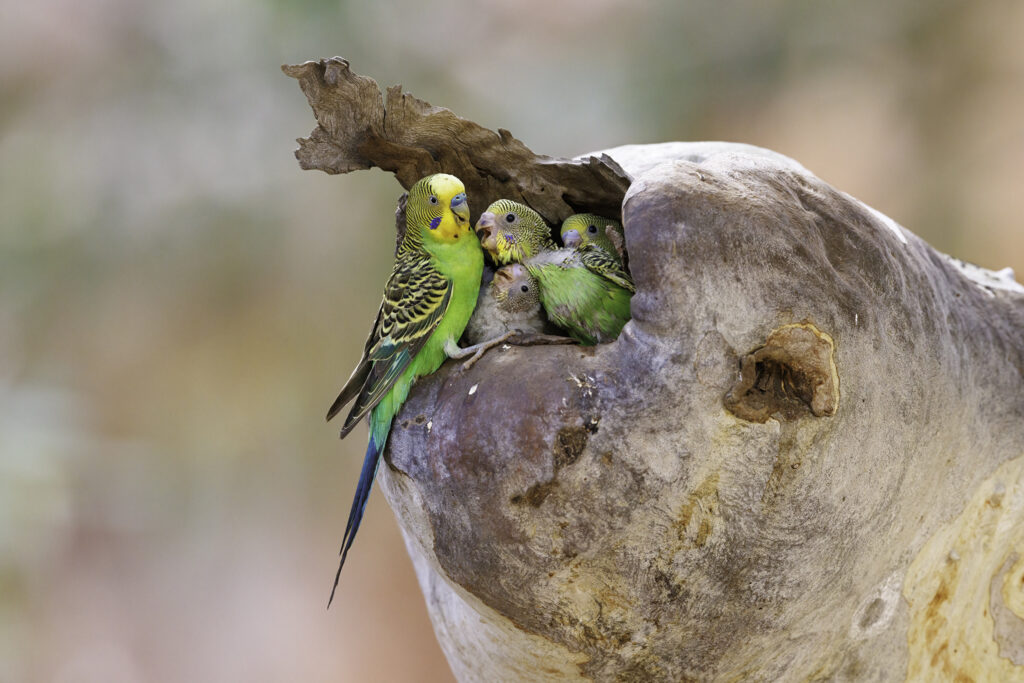


Bird
Bird | Understanding the World of Birds
Birds are among the most captivating creatures on Earth. With over 10,000 recognised species, the bird kingdom showcases incredible diversity in shape, size, plumage, and behaviour. Whether it’s the melodic call of a songbird at dawn or the graceful flight of an eagle, birds continue to fascinate humans across cultures and generations.
What Makes a Bird Unique?
At the core of every bird is a shared set of features that distinguish them from other animals. These include:
- Feathers: Unlike any other animal, birds are covered in feathers, which help with insulation, camouflage, and, most importantly, flight.
- Wings: Though not all birds fly, wings are a defining characteristic of the avian class. Some, like penguins, use their wings to swim.
- Beaks: A bird’s beak varies based on its diet, whether cracking seeds, tearing flesh, or sipping nectar.
Additionally, birds lay eggs and possess a lightweight skeletal structure that supports their ability to fly.
Bird Habitats and Nesting
Birds inhabit nearly every corner of the globe—from tropical rainforests and wetlands to deserts and urban parks. Nesting behaviour varies dramatically between species. Some birds construct intricate nests from twigs and mud, while others, like puffins, burrow into the earth.
Migration is another key feature of bird life. Many species travel vast distances each year to breed or escape harsh weather, following instinctual routes passed down through generations.
Birdwatching: A Popular Pastime
Birdwatching, or birding, has become one of the fastest-growing outdoor activities worldwide. With just a pair of binoculars and a field guide, enthusiasts can observe a wide range of bird species in their natural habitats. Birdwatchers often keep checklists and travel to migration hotspots to spot rare or endangered birds.
Besides being enjoyable, birdwatching contributes to citizen science. Many organisations rely on amateur sightings to monitor population trends and conservation needs.
Bird Sounds and Communication
Birdsong is not just pleasant to hear—it serves crucial functions. Birds sing to attract mates, defend territories, and communicate with their flock. Different species produce a variety of vocalisations, from chirps and whistles to complex songs.
Interestingly, some birds like parrots and mynas can mimic human speech, showcasing remarkable vocal learning abilities.
Conservation and the Importance of Birds
Birds play essential roles in ecosystems. They help control insect populations, pollinate plants, and disperse seeds. Sadly, many species are under threat due to habitat loss, pollution, and climate change.
Conservation efforts—from protected habitats to breeding programs—aim to safeguard vulnerable species and maintain biodiversity.
Final Thoughts on the Bird World
From the smallest hummingbird to the mighty albatross, every bird has a story. Observing their flight patterns, listening to their songs, and learning about their nesting habits reveals just how remarkable these creatures are. As interest in birds continues to grow, so too does the opportunity to protect and appreciate the natural world.
For all the latest information on birds, be sure to follow our socials.