


Birds in Adelaide
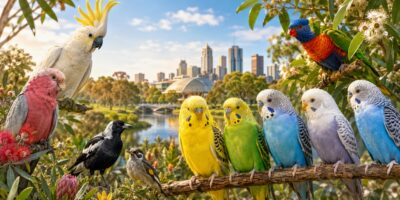
Birds in Adelaide: A Complete Guide to Native Species and the Rise of Budgerigar Enthusiasm
Adelaide is widely recognised as one of Australia’s most rewarding cities for bird enthusiasts. Not only does it support a rich diversity of native wildlife, but it also fosters a strong and growing aviculture community. Consequently, interest in birds in Adelaide continues to rise among homeowners, hobby breeders, conservationists, and families who value both nature and companion birds.
Moreover, as awareness around ethical bird keeping increases, many locals are turning their attention toward structured bird organisations and specialist communities. In particular, budgerigars have become a focal point within Adelaide’s bird culture, linking natural Australian wildlife with organised aviculture.
Within this landscape, the The Budgerigar Council of South Australia plays a central role in guiding standards, supporting breeders, and strengthening the future of budgerigar care and appreciation across the state.
Why Birds in Adelaide Thrive So Successfully
To begin with, Adelaide provides an ideal environment for a wide range of bird species. Thanks to its mix of urban parks, coastal regions, wetlands, and nearby hills, birds naturally flourish across both suburban and rural areas. As a result, residents regularly encounter diverse species in everyday life.
In addition, the city’s climate supports year-round bird activity, which further enhances biodiversity. Therefore, it is not surprising that birds in Adelaide remain a major point of interest for wildlife lovers and researchers alike.
Commonly observed species include:
- Galahs and cockatoos
- Rainbow lorikeets
- Rosellas
- Magpies and butcherbirds
- Corellas
- Finches and canaries
- Budgerigars (both wild and domesticated populations)
Furthermore, birdwatching has evolved from a casual pastime into a structured hobby, supported by local clubs, conservation groups, and aviculture organisations.
Native Birds in Adelaide and Their Ecological Importance
Importantly, Adelaide’s native birds contribute significantly to local ecosystems. For example, parrots and lorikeets assist in pollination, while smaller birds help control insect populations. Consequently, maintaining healthy habitats directly benefits both biodiversity and urban environmental balance.
In contrast to heavily urbanised global cities, Adelaide still preserves strong green corridors. Therefore, birds continue to move freely between natural reserves and residential areas.
Popular birdwatching locations include:
- Morialta Conservation Park
- Belair National Park
- Adelaide Hills
- Torrens River pathways
- Coastal wetlands throughout South Australia
Additionally, these environments encourage educational opportunities, particularly for younger generations who are developing an early interest in wildlife and conservation.
Budgerigars Adelaide: Why They Dominate Aviculture Interest
When focusing specifically on budgerigars Adelaide searches, it becomes clear that interest extends far beyond pet ownership. Instead, budgerigars represent a deeply rooted part of Australian aviculture heritage.
Budgerigars, often called budgies, originate from Australia and naturally thrive in arid and semi-arid regions. However, over time, they have become one of the most widely bred and studied companion birds in the country.
In fact, their popularity continues to grow because they offer a unique combination of intelligence, sociability, and adaptability.
The Budgerigar Council of South Australia actively supports this growing interest by encouraging responsible breeding practices, structured bird showing events, and educational development across Adelaide and regional South Australia.
Why Budgerigars Remain So Popular in Adelaide
Firstly, budgerigars are highly intelligent. They learn quickly, respond to human interaction, and often develop strong social bonds. Secondly, they adapt easily to both aviary and indoor environments, making them suitable for a wide range of bird owners.
Additionally, their vibrant colour variations and playful behaviour make them especially appealing to both beginners and experienced aviculturists.
Budgerigars are valued for:
- Strong social behaviour and flock interaction
- Ease of care compared to larger parrots
- High breeding diversity and colour mutations
- Strong adaptability to Australian climates
- Suitability for competitive showing and exhibitions
Therefore, it is no surprise that budgerigars remain a cornerstone of Adelaide’s aviculture community.
The Role of The Budgerigar Council of South Australia
As budgerigar interest expands, structured governance becomes increasingly important. That is exactly where the The Budgerigar Council of South Australia provides essential leadership.
Specifically, the council:
- Promotes ethical breeding standards
- Supports local bird clubs and communities
- Organises exhibitions and competitive shows
- Encourages education around bird health and welfare
- Preserves aviculture knowledge across generations
Moreover, it connects breeders and enthusiasts, ensuring that knowledge is shared effectively and responsibly. As a result, Adelaide has developed a strong, interconnected birdkeeping community that continues to grow each year.
Responsible Budgerigar Ownership in Adelaide
Before acquiring budgerigars, it is essential to understand proper care requirements. Although budgies are relatively low-maintenance, they still require structured environments and consistent attention.
For example, responsible owners should:
- Provide spacious aviaries or cages
- Maintain a balanced diet of seeds, pellets, and fresh vegetables
- Ensure regular social interaction
- Offer environmental enrichment such as toys and perches
- Monitor health and behaviour consistently
Furthermore, experienced breeders in Adelaide strongly recommend sourcing birds from reputable and ethical breeders to ensure long-term health and genetic quality.
The Growth of Bird Communities Throughout Adelaide
Over time, Adelaide has developed a strong aviculture culture that continues to expand. Not only do hobbyists participate in birdkeeping, but they also engage in structured breeding programs, exhibitions, and educational initiatives.
In addition, younger participants are increasingly joining bird clubs, which ensures continuity for future generations.
This growth is further strengthened by organisations such as the The Budgerigar Council of South Australia, which provides ongoing structure and support.
Why Birds in Adelaide Will Continue to Thrive
Ultimately, birds in Adelaide will continue to flourish due to a combination of environmental stability, community engagement, and strong conservation awareness.
Because Adelaide maintains accessible green spaces and active wildlife corridors, bird populations remain diverse and stable. Meanwhile, human interest in aviculture ensures continued investment in education, breeding standards, and ethical care.
As a result, both native birds and companion species like budgerigars will remain central to South Australia’s bird culture.
Final Thoughts
In conclusion, Adelaide stands out as a major hub for birdlife in Australia. Not only does it support a rich variety of native species, but it also fosters one of the most active budgerigar communities in the country.
Furthermore, with ongoing guidance from the The Budgerigar Council of South Australia, the future of aviculture in South Australia remains strong, structured, and sustainable.
Therefore, whether you are observing native wildlife or exploring budgerigars Adelaide communities, you are engaging with a deeply rooted and continuously evolving bird culture that defines South Australia’s natural identity.